Okay, so check this out—I’ve clicked „Confirm“ on plenty of transactions that made my stomach drop. Wow! Some times it was obvious (a phishing dapp), other times it was subtle: a gas spike, a weird approval, a token that suddenly behaved like a rug. Really? Yes. My instinct said „don’t do it“ more than once. Initially I thought a hardware wallet alone would solve everything, but then I realized that most of the risk lives in the interaction layer — what the dapp asks your wallet to sign, not just whether your keys are offline.
Here’s the thing. Smart contracts are powerful and fragile. They let you mint, trade, borrow, stake, and permissionlessly compose complex finance. But that same composability makes small mistakes catastrophic. On one hand you can approve a contract to move funds indefinitely. On the other hand that same approval can be exploited if the contract has a bug or the front-end is compromised. Hmm… it’s messy. So I started treating contract interaction like a two-stage problem: first, understand what you’re signing; second, minimize blast radius if things go wrong.
Whoa! Step one is transparency. You should be able to see, in plain English, what a transaction will do before you sign it. That means decoded function names, parameters, and estimated token flows. Medium-level wallets show you a hex blob and expect you to be an oracle. Long-form thinking: a great wallet simulates the transaction on-chain (or with a local fork), shows gas breakdown, and surfaces internal calls, so you aren’t betting blind on a single „approve“ button. This matters more when interacting with DeFi primitives that call other contracts under the hood.
Seriously? Yes. Consider an ERC-20 approval: you think you let a contract spend 10 tokens. But that contract could, in a single call, move many more assets by invoking other functions or transferring via different code paths. There are ways to reduce this risk—set allowance to the exact amount needed, use permit patterns when available, or use a wallet that warns on unlimited approvals. Initially I thought „unlimited approvals are convenient,“ but then I realized convenience equals persistent risk.
Gas estimation is the next battleground. Short term: gas = money. Medium term: gas spikes expose you to failed txs and frontrunning. Long thought: a wallet that runs a preflight simulation and reports likely success, internal gas use, and potential revert reasons saves you from wasted fees and surprise states (like partially-executed complex calls). When a wallet simulates a transaction against a node or a forked state, it can tell you if the call will revert or if some conditions might fail, and that information is gold.
Okay, so how do you apply this in practice? First, don’t rely on the dapp UI alone. Wow! Second, use a wallet that decodes and simulates. Third, reduce approval scopes. Fourth, split funds by use-case. Fifth, sign with another device when the stakes are high. I’m biased, but the extra few seconds I spend checking a simulation have saved me a few awkward conversations with myself—like „Why is my stablecoin gone?“ (spoiler: it was not really gone, but it sure felt that way.)
What a security-minded wallet actually does (and why that matters)
Let me be blunt. Most wallets are good at key storage, and some are good at ergonomics. Few are built around transaction hygiene. A wallet with strong security signals will do several things simultaneously: decode calldata, simulate execution, show internal transfers, flag risky approvals, and let you set per-dapp allowances. It should also separate identity from spendable funds so you can interact with experimental dapps without exposing your main stash. Oh, and by the way, UI matters—if the safety features are buried, people won’t use them.
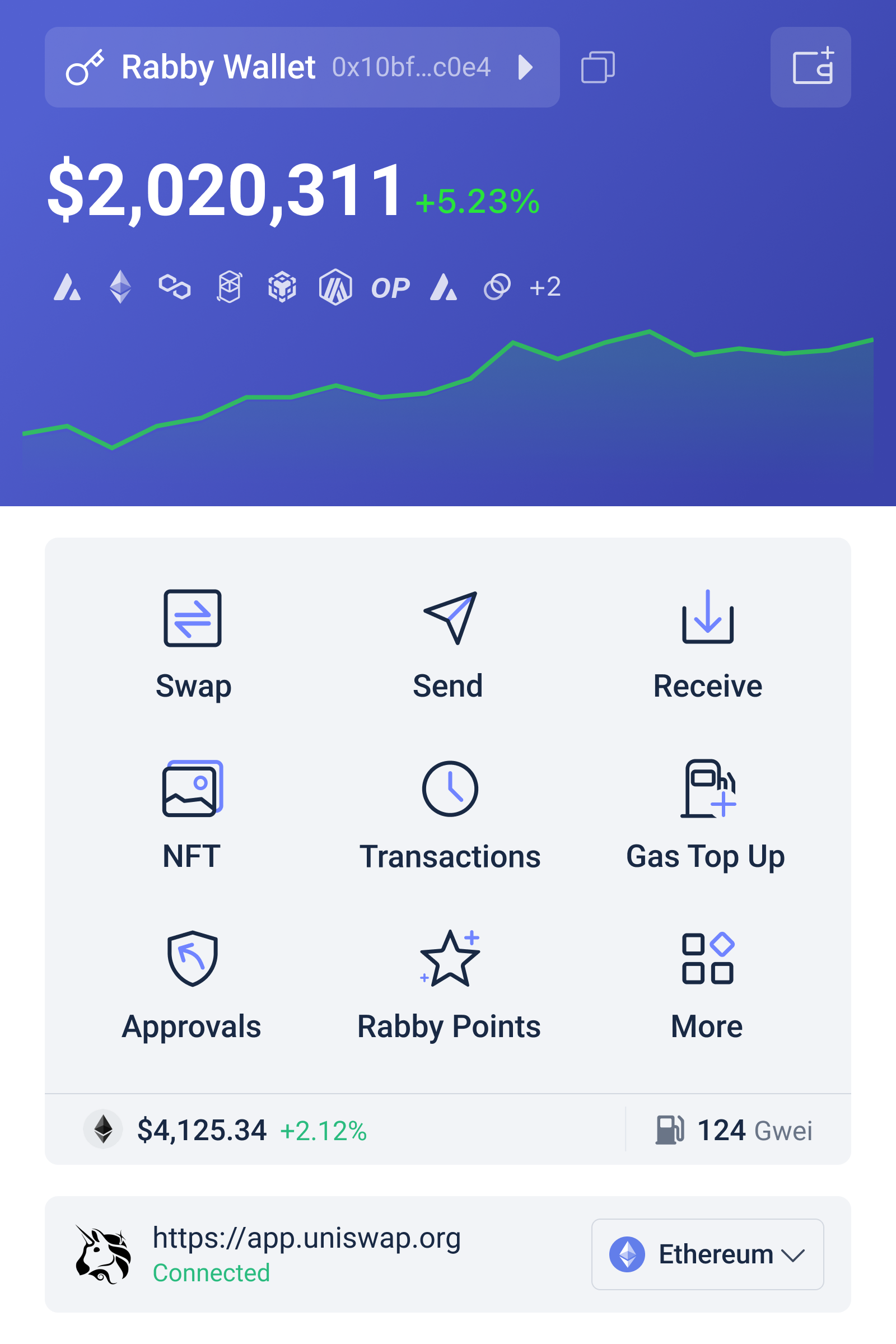
I’ll be honest: the first time I used rabby wallet I didn’t expect much. Hmm… my instinct said „another extension.“ But then I noticed transaction simulation in the flow, plus explicit warnings about approvals. Initially I thought „nice to have,“ but then I watched a simulation catch an internal transfer that the dapp UI had not shown. That moment shifted my trust model. Actually, wait—let me rephrase that: one validated simulation shifted my behavior; I started treating simulations as the default gate before signing.
On one hand, developers can write clear contracts. On the other hand, front-ends are often hacked or sloppy. So a wallet that provides a second opinion reduces social-engineering risk. Long sentence: when a wallet shows you the function name (example: swapExactTokensForTokens), the amounts, slippage window, recipient addresses, and any callback hooks in a single, explainable UI, you’re not forced to go into the weeds of ABI decoding just to be safe.
Here’s what bugs me about the current UX landscape: many wallets show tiny, cryptic warnings that users ignore because they don’t understand them. Users see „Approve unlimited“ and click, because the dapp asked for it and the button matched the flow. The human mistake is understandable. A better wallet doesn’t nag; it educates in context. It also provides easy remediation: revoke approvals, set expiration, or use one-time approvals that auto-expire after execution. Simple controls reduce human error, not just developer error.
Sound familiar? Good. Now let’s look at practical habits you can adopt that pair with a strong wallet.
Practical checklist before you hit „Confirm“
1) Read the decode. Medium step: check the function name and parameters. Long thought: if the wallet can’t decode the call, pause. A hex blob is an unknown risk.
2) Simulate the transaction. Wow! If a wallet provides a preflight run, use it. Look for internal transfers and revert reasons. If simulation shows state changes you didn’t expect, don’t sign.
3) Reduce allowances. Set exact amounts when possible. Seriously? Yes. Use permit when available so you can sign approvals off-chain and limit on-chain allowances.
4) Use separate addresses. Keep a „dapp“ address for experimental stuff and a „vault“ for long-term holdings. This reduces blast radius. I’m biased, but it works.
5) Revoke old approvals periodically. There are services and features inside modern wallets that make revoking one-click. Do it. Also, track which contracts have high privileges.
6) Watch gas and retry logic. If an execution path is sensitive to gas, a partial state change could leave funds in limbo. Use wallets that show gas breakdowns and estimated fees.
7) Keep backups, but keep them cold. Seriously. A hardware wallet paired with a simulation-first extension is a strong pattern: keys stay offline, but you still get the clarity of decoded transactions.
8) Pause before signing approvals initiated by a connected site. Ask: do I trust this front-end? Does the contract have audits? Are there proxy patterns or governance hooks?
9) Be skeptical of „one-click“ flows. If something promises instant yield with no explanation, your gut should shout. Hmm… it often does.
FAQ
Q: Can transaction simulation prevent all scams?
A: No. Short answer: simulation reduces risk, but it isn’t a cure-all. Simulations rely on the state snapshot and the correctness of the node or fork. They can’t predict off-chain governance or future oracle manipulations. On the other hand, they catch a lot of common issues like immediate reverts, internal transfers, and unexpected state changes—so use them as a strong filter, not as an absolute guarantee.
Q: What about hardware wallets—are they enough?
A: Hardware wallets protect keys, which is essential. But they don’t show deep transaction semantics in a user-friendly way. The best practice is to pair hardware security with a wallet UX that decodes and simulates transactions. That combo gives you both cryptographic safety and behavioral clarity.
Q: Is it safe to approve unlimited allowances if I can revoke later?
A: Tempting, but risky. Unlimited approvals reduce friction but increase attack surface. If a contract is compromised, an unlimited allowance can be exploited immediately. A safer approach: prefer exact allowances or time-limited approvals, and review approvals frequently.
On one hand, the ecosystem is maturing fast. On the other hand, new primitives introduce new classes of risk. Initially I thought the main threat was external hacks. Actually, wait—let me be precise: the most frequent cause of loss in my circle has been bad approvals and sloppy UX, not sophisticated network-wide attacks. People accidentally signed permissions or missed hidden callbacks. So improving the wallet layer matters a lot.
Something felt off about blindly trusting any single tool, so I adopted a layered approach: a vault for large holdings, a smart-use wallet for everyday interactions, and a „sandbox“ account for speculative play. That strategy isn’t perfect—nothing is—but it reduces the chance of a single mistake taking everything. Also, small, repeatable checks become habits; the friction goes away after a few sessions.
I’ll close with a practical nudge. When the path ahead is uncertain, simulate. When something seems too good, slow down. I’m not 100% sure this will stop every bad outcome, but it’s improved my hit rate dramatically. If you want a wallet that puts simulation and transaction hygiene up front, try the flow and features of rabby wallet and see if it changes how you sign. It changed how I view permissioning, and that felt like gaining a new layer of common sense.